DMG MORI is one of the world’s most prestigious machine tool manufacturers and a leader in industries where precision, reliability, and productivity are essential. At 3Axis, we have been working with DMG MORI machines for years, supporting our customers in the purchase, sale, and selection of equipment tailored to their production needs.
In this guide, you’ll discover the history of DMG MORI, how it has evolved to become one of the industry leaders, and the key advantages its machines offer.
The Origin: The Merger of DMG and Mori Seiki
DMG MORI is one of the world’s leading machine tool manufacturers and a leader in CNC machining technologies. The company was formed through the merger of Germany’s Gildemeister AG, founded in 1870, and Japan’s Mori Seiki, established in 1948, combining more than a century of industrial experience with Japanese technological innovation. This alliance created a global group capable of offering advanced solutions for virtually any machining process.
Throughout its history, DMG MORI has stood out for its ability to develop new technologies, incorporate automation, and adapt to the needs of a constantly evolving industry. It currently has an extensive international network of production, sales, and technical service facilities, as well as a product portfolio that includes machining centers, CNC lathes, multitasking machines, additive manufacturing solutions, and industrial automation systems.
Its reputation is built on three fundamental pillars: precision, reliability, and innovation. As a result, its machines are used in highly demanding sectors such as the automotive, aerospace, energy, medical technology, and mold and die manufacturing industries.
The DMG MORI machine series
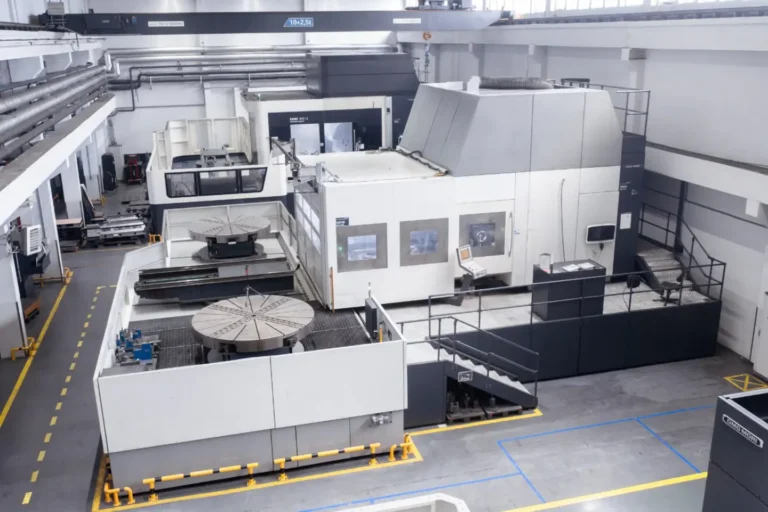
DMG MORI offers one of the most extensive product catalogs on the market. Its product lineup is divided into several families designed to meet different production needs, ranging from conventional milling and turning operations to complex 5-axis machining and multitasking solutions.
The main DMG MORI machine series are:
- Vertical machining centers (DMU, CMX V, M1…): versatile and productive machines for milling operations across a wide variety of industries.
- Horizontal machining centers (NHX, NHM…): designed for demanding production runs that require high stability, automation, and efficient chip removal.
- 5-axis machines (DMU monoBLOCK, DMU eVo…): enable the machining of complex parts in a single setup, reducing setup times and increasing precision.
- CNC lathes (NLX, CLX, CTX…): solutions for high-precision turning operations, ranging from simple parts to high-volume production applications.
- Multitasking machines (NTX, NZX, CTX beta…): combine turning and milling operations in a single machine to perform complete machining of the part.
- Universal machining centers: flexible machines capable of adapting to different types of parts and industrial sectors.
- Automation and advanced manufacturing solutions: robotic systems, automated storage, and technologies geared toward smart manufacturing.
How to Choose Among DMG MORI Models Based on Your Work
There is no single DMG MORI machine that is suitable for all applications. The choice will depend primarily on the size of the parts, their geometric complexity, and the level of precision required. While some jobs can be performed efficiently on conventional machining centers, more complex parts often benefit from 5-axis technologies, which are capable of machining multiple faces in a single setup.
DMG MORI offers a range of configurations to suit every need, from compact machining centers to advanced solutions for large, highly complex parts.
Not sure which DMG MORI model best suits your production needs? At 3Axis, we can help you find the most suitable solution based on your machining requirements.
Buying a Used DMG MORI: What to Check
Buying a used DMG MORI can be an excellent way to access high-end technology at a more affordable price. However, before making a decision, it’s important to check a few key aspects that can affect the machine’s performance and service life.
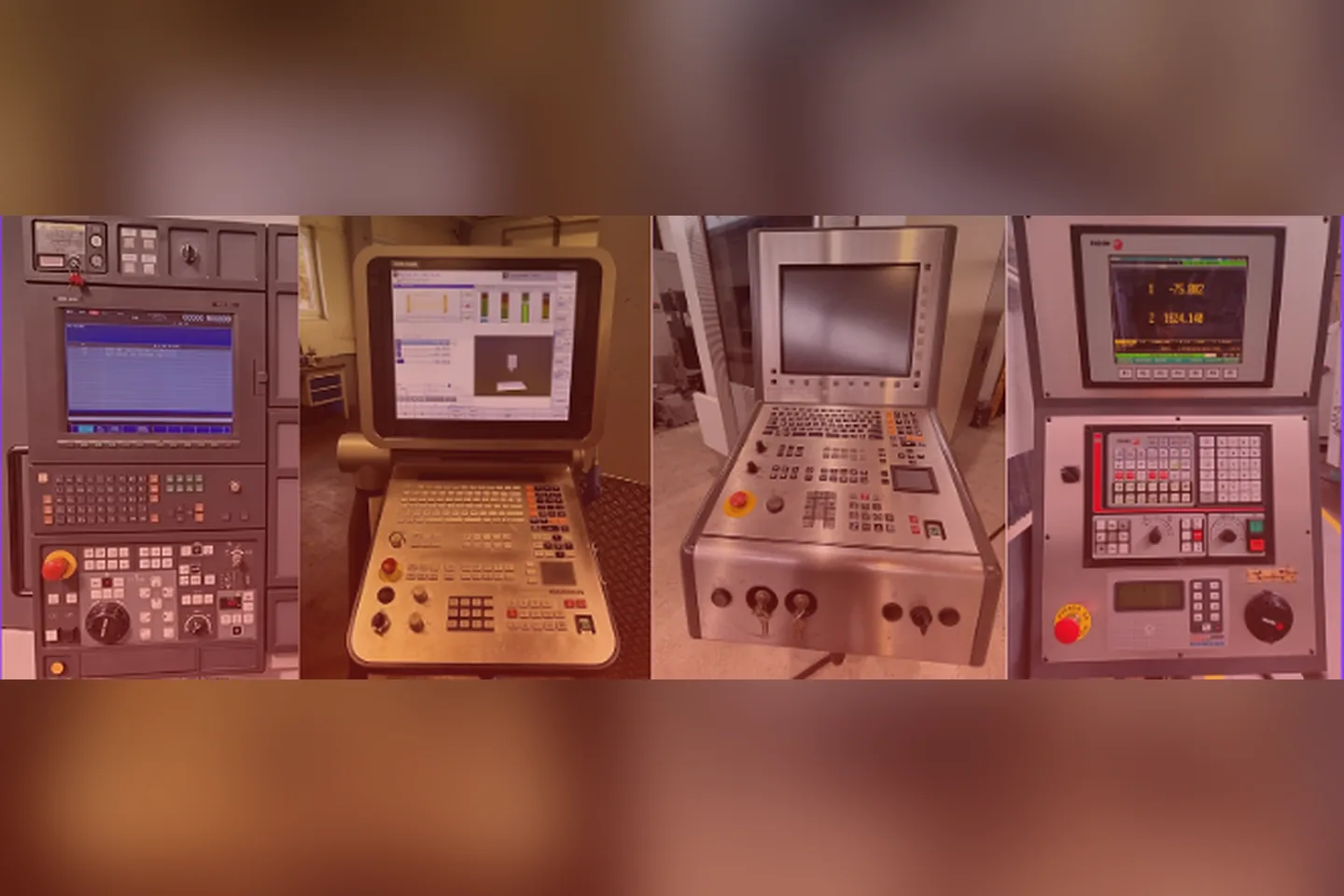
In addition to checking the operating hours and maintenance history, you should verify the overall condition of the axes, the spindle, and the CNC control. It’s also advisable to check for oil or coolant leaks, request any available technical documentation, and find out if the machine has undergone any major repairs during its service life.
Furthermore, whenever possible, seeing the machine in operation can provide valuable insight into its actual condition, something we take into careful consideration when demonstrating the machine to our customers.
At 3Axis, we not only carefully inspect each machine before putting it up for sale, but we also advise our customers to help them find the model that best suits their machining and production needs, as well as their budget.